What Is a Type Beat and How Do You Use One Legally?
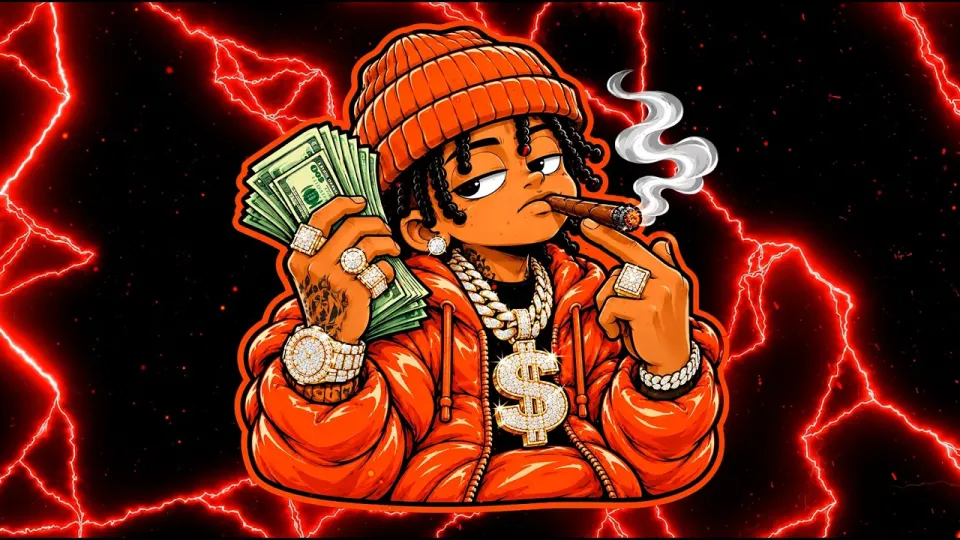
Video: FREESTYLE TYPE BEAT - ''I HAVE HARD FLOW'' | Trap Instrumental 2026 | Rap Type Beat
Want articles like this for your own video to promote it on YouTube and Google? Order them through the Telegram bot @sat_sit_bot. Articles with your video embedded are written and posted by the bot itself — on popular topical sites (no ads). Try it free: 50 articles on us.
· based on the channel Rey Pandora Beats
A type beat is an original instrumental produced in the style of a particular artist or subgenre, sold or shared so that other rappers can write and record over it. It is not an official song by the artist named in the title, and the producer who made it owns the rights. The latest example from Rey Pandora Beats, a freestyle trap instrumental titled "I HAVE HARD FLOW," follows that model: it is free for non-monetized projects with credit, and a paid license is required for commercial releases. Producers in this space usually sell licenses through a storefront, and this one is no exception — you can browse and buy terms at the Rey Pandora Beats BeatStars store.
What does type beat actually mean in practice
The phrase describes a beat that sounds like a specific artist's signature, not a beat by that artist. When a producer uploads a "Drake type beat" or a "hard trap type beat," they are telling rappers what lane the instrumental fits: tempo, drum selection, dark or bright melody, and the kind of flow it invites. The search term works as a filter for artists who want a certain sound without paying for a major-label placement.
Three things define the format:
- The instrumental is original and produced by the uploader, who holds the copyright.
- The title references a style, mood or artist as a reference point, which is why the words "type beat" appear in the name.
- A license — free or paid — governs how the rapper may distribute the finished song.
"I HAVE HARD FLOW" is labeled as a freestyle type beat, a trap instrumental and a rap type beat all at once. That stacking is normal: the same file can serve a freestyler recording a quick verse and a songwriter building a full track.
How the free and commercial licenses differ on this beat
Free use covers non-monetized YouTube videos and personal projects, provided the producer is credited as Rey Pandora Beats in the description or credits. Commercial use — monetized YouTube, Spotify, Apple Music, iTunes and similar platforms — requires purchasing a license. The split is the standard one in the type beat market, and it is worth reading carefully before uploading anything.
A practical checklist before you publish:
- Decide whether the finished song will earn money in any form, including ad revenue on a video.
- If it will not, add the credit line to the description and keep the project non-monetized.
- If it will, buy the commercial license first and keep the receipt.
- Register the release with the distributor under your own artist name, not the producer's.
The free tier is generous but narrow: it is designed for practice, demos and portfolio videos, not for a release that generates income.
Why freestyle trap beats suit fast, aggressive writing
The "hard flow" framing points to a specific use case: an instrumental with enough space and punch for dense, confident rapping. Freestyle beats in the trap lane usually keep the melodic loop simple so the vocal stays the focus, and they leave room for ad-libs between bars. That is why freestylers reach for them when they want to record a verse in one take.
When picking a beat for this purpose, listen for:
- a clear, uncluttered drum pattern that keeps time without distracting from the vocal;
- a tempo that matches your natural cadence rather than forcing you to rush;
- a hook section or drop where the arrangement opens up;
- headroom in the mix so your vocals sit on top instead of fighting the 808s.
A beat titled around a hard flow is a signal about attitude as much as tempo. Producers use these labels so rappers can find the right energy quickly among thousands of uploads.
How to credit a producer and stay on the right side of the license
Credit means naming the producer clearly where listeners can see it, typically the first lines of a video description or the notes on a release. On a free-use project, that credit is the entire payment. Skipping it breaks the terms even if the video earns nothing.
A clean credit line looks like this: "Prod. Rey Pandora Beats" followed by a link to the producer's channel or store. On streaming platforms, the producer is usually listed in the track credits as well, and some licenses require a specific written format. If a beat is used commercially, the license document may also specify credit wording, so check it before you upload.
One more point that trips people up: buying a license does not transfer ownership of the instrumental. It grants permission to use it under stated conditions — usually a set number of distributed copies or streams, depending on the tier.
Questions rappers ask before recording on a type beat
Viewers of these uploads tend to raise the same practical concerns, and they are worth answering directly. The first is whether a type beat can be used on Spotify at all — yes, but only with a commercial license, because streaming generates revenue. The second is whether the artist named in a style label has any claim to the song — they do not, since the instrumental is original work by the producer.
The third recurring question is about visuals and presentation: listeners often comment on the artwork and video style that accompany a beat, and those choices affect how the track is perceived before anyone presses play. The fourth is about language and genre mixing. Freestyle beats attract verses in Spanish, Indonesian, English and everything in between, and nothing in a standard license restricts the language of the lyrics.
A short pre-recording routine helps:
- Download the beat in the highest available quality.
- Note the producer's name and the exact title for your credits.
- Record a reference take to check the tempo against your flow.
- Confirm the license tier matches your release plans.
Where to find the Rey Pandora Beats catalog
The producer's storefront is the central place for licenses and the full beat catalog. The main link is https://reypandorabeatsoff.beatstars.com/, and the channel also lists Instagram at @rey.pandora and a contact address, papapandorabeat@gmail.com, for direct inquiries. A second link in the video description points to an alternate playback page for the same instrumental.
- Beat store and licensing: https://reypandorabeatsoff.beatstars.com/
- Alternate playback link: https://www.youtube.com/watch?v=48TGvU3uvaM
Final thoughts on picking and licensing a type beat
A type beat is a tool, and "I HAVE HARD FLOW" is a straightforward one: a freestyle-friendly trap instrumental released by Rey Pandora Beats, whose channel had crossed 800,000 subscribers and was aiming at 900,000 when the track went up. The terms are simple enough to follow — credit the producer for free, non-monetized use, and buy a commercial license the moment money enters the picture. Rappers who respect that boundary build long-term relationships with producers, which is how consistent beat supply happens. If you want to move from freestyling to releasing, start at the Rey Pandora Beats BeatStars store and pick the license that matches your plan.
Key takeaways
- A type beat is an original instrumental made in the style of a specific artist or subgenre, not an official release by that artist.
- Rey Pandora Beats offers the track "I HAVE HARD FLOW" as a free freestyle trap type beat for non-monetized use with credit.
- Free use requires naming the producer in the video description or credits; monetization on YouTube, Spotify or Apple Music requires a paid commercial license.
- The channel had passed 800,000 subscribers and was heading toward 900,000 at the time of the upload.
- Commercial licenses for the catalog are sold through the producer's BeatStars store.
Source: FREESTYLE TYPE BEAT - ''I HAVE HARD FLOW'' | Trap Instrumental 2026 | Rap Type Beat · Markdown version
Questions & answers
Can I upload a song on a free type beat to Spotify?
Not on the free tier. Streaming platforms generate revenue, so a commercial license is required before distribution. The free option covers non-monetized videos and personal projects only, and it still requires crediting the producer in the description or credits.
Does the artist named in a type beat title get paid or have any rights?
No. A type beat is an original instrumental made in the style of that artist, and the producer owns the copyright. The reference in the title is a description of the sound, not a claim of involvement by the named artist.
What happens if I forget to credit the producer?
On a free-use project, the credit is the payment, so omitting it violates the terms even if the video earns nothing. Add a clear line such as "Prod. Rey Pandora Beats" with a link in the description, and check any license document for the required wording.
Can I rap in a language other than English over a trap type beat?
Yes. Standard type beat licenses place no restriction on the language of the lyrics. Freestyle trap instrumentals regularly carry verses in Spanish, Indonesian and other languages, and the only conditions concern credit and monetization.